Schroders versus Capital Group: HEAD-to-HEAD
This week FSA compares the Schroder ISF US Small and Mid-Cap fund and the Capital Group Investment Company of America fund.


This week FSA compares the Schroder ISF US Small and Mid-Cap fund and the Capital Group Investment Company of America fund.
This week FSA compares the Schroder ISF US Small and Mid-Cap fund and the Capital Group Investment Company of America fund.
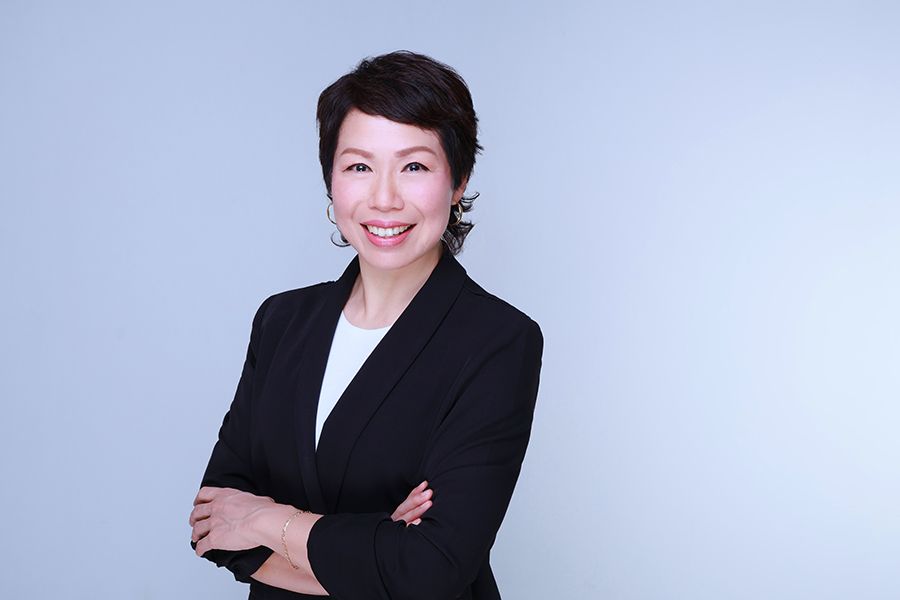
Aline Pacheco is joining Bank of Singapore as market group head for Asean.

Macro and geopolitical volatility is causing managers to struggle to execute long term, according to the report.
Macro and geopolitical volatility is causing managers to struggle to execute long term, according to the report.

It marks the largest closed-ended commingled private equity fund raised by the asset manager.
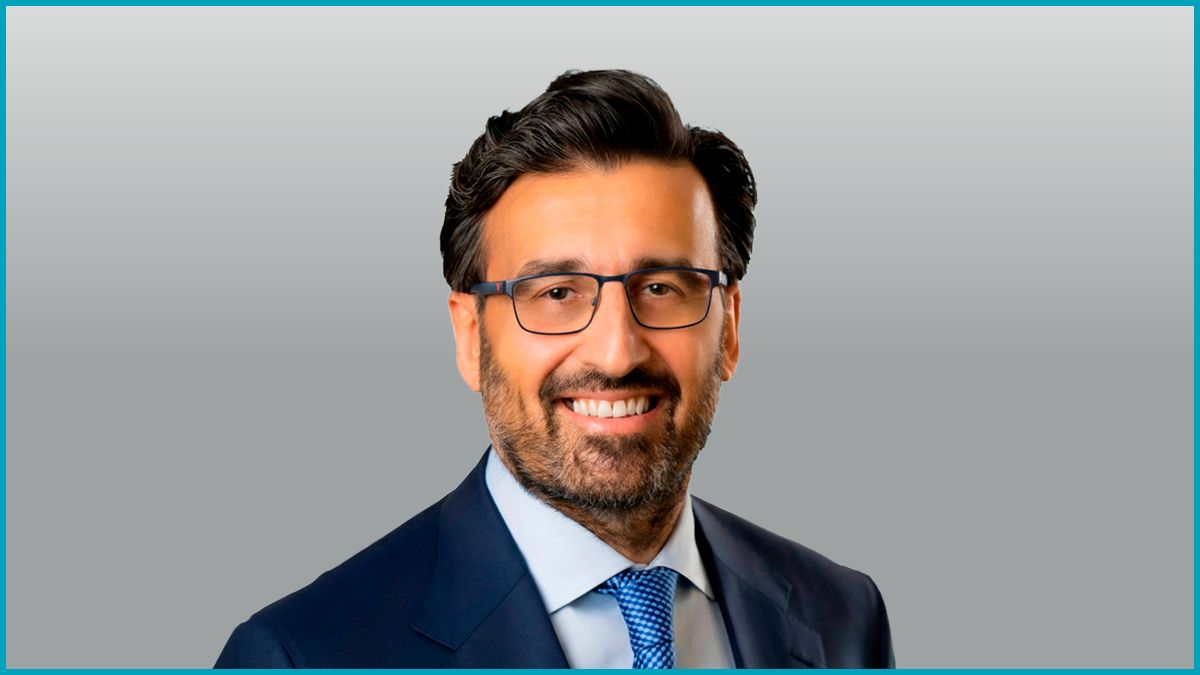
Sponsored by Loomis Sayles & Natixis
The Growth Equity Strategies Team at Loomis Sayles, an affiliate of Natixis Investment Managers, demonstrates that patience, discipline and conviction result in consistent, peer-leading risk-adjusted compounding over cycles.

Investors are starting to close their underweights to the long neglected asset class, according to State Street’s Masahiko Loo.
Macro and geopolitical volatility is causing managers to struggle to execute long term, according to the report.
Investors are starting to close their underweights to the long neglected asset class, according to State Street’s Masahiko Loo.
Investors are starting to close their underweights to the long neglected asset class, according to State Street’s Masahiko Loo.
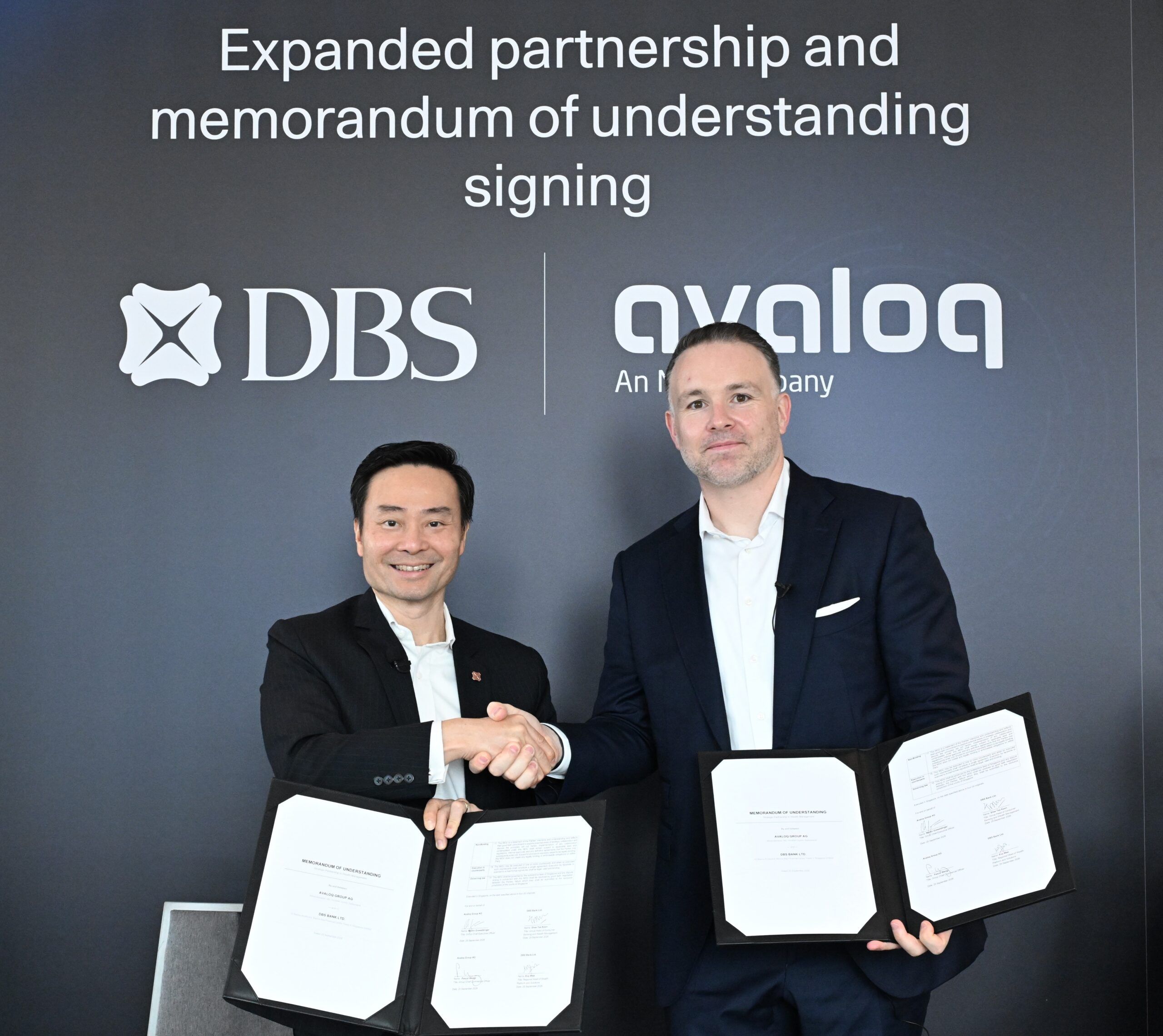
DBS and Avaloq expand their partnership to develop wealth management technology and adviser capabilities in Asia.
This week FSA compares the Schroder ISF US Small and Mid-Cap fund and the Capital Group Investment Company of America fund.
This week FSA compares the Schroder ISF US Small and Mid-Cap fund and the Capital Group Investment Company of America fund.
Macro and geopolitical volatility is causing managers to struggle to execute long term, according to the report.
Aline Pacheco is joining Bank of Singapore as market group head for Asean.
Aline Pacheco is joining Bank of Singapore as market group head for Asean.
Investors are starting to close their underweights to the long neglected asset class, according to State Street’s Masahiko Loo.
The AI build-out won’t be derailed by higher oil prices as US tech maintains capex plans.


Higher oil prices aren’t enough to stop the artificial intelligence (AI) build-out, according to T. Rowe Price portfolio manager Vincent Chung.
The ongoing AI build-out won’t be derailed by higher oil prices as US tech giants continue committing to their capital expenditure plans.
This is according to T. Rowe Price portfolio manager Vincent Chung, who said oil prices above $100 per barrel are “probably not enough” to make companies rethink their AI spending plans.
“It would probably have to be something higher and maybe be a sustained period of elevated energy levels,” he told FSA in an interview.
“AI is not necessarily correlated to the oil price increase,” he said. “Companies are still going to do their capex [capital expenditure].”
Initially, the AI build-out was funded by the free cash flows of the “hyperscalers”, such as Google, Amazon, and Meta. But it is now increasingly funded by bond markets.
One area of concern for investors is that prolonged high energy prices spur central banks to raise interest rates to contain inflation, raising funding costs and potentially bringing AI spending to a halt.
However, Chung believes there is “a bit of inelasticity between issuance and capex willingness versus the funding cost of it, which would have to increase quite materially for them to rethink how they’re thinking about capex”.
“That is the impression we’ve been getting from companies: that this capex is quite durable,” he said.
But there is another concern specific to the technicals of the bond market: namely, if there is too much issuance from hyperscalers, portfolio managers will start hitting spread duration limits or risk limits on too much notional exposure to certain individual names.
This is causing somewhat muted performance in tech sector bonds, where the spread of direct issuance by tech firms has often been small, according to Chung, who co-manages the T. Rowe Price Diversified Income Bond Fund.
He says he prefers securitised structures where “you’re getting effectively investment grade type risk and you’re giving away a bit of liquidity, but you’re getting a much better yield outcome”.
“Those are areas where we’ve been looking at as a firm and also in our fund,” he said. “These are probably good credit risks while the yield is still relatively attractive versus what you can get in some of the vanilla issues where spreads are still really low.”
Market expectations for central bank monetary policy has shifted dramatically since the start of the year, moving from up to two interest rate cuts to investors now pricing in one hike.
This could be viewed as a policy error, according to Chung, who said, “one hike is sort of neither here nor there. If you do a hike, you probably want to go through a hiking cycle to have credibility.”
“What does one hike actually achieve? Look at the sensitivity of monetary policy to the economy; it hasn’t been that sensitive.”
Chung believes that companies are still on track to report relatively good earnings and are on a fundamentally good footing, plus the increasing AI capex will add a GDP growth factor on top of that.
“There is very little risk of a recession being priced into the market, perhaps rightly so, at present,” he said.
DBS and Avaloq expand their partnership to develop wealth management technology and adviser capabilities in Asia.
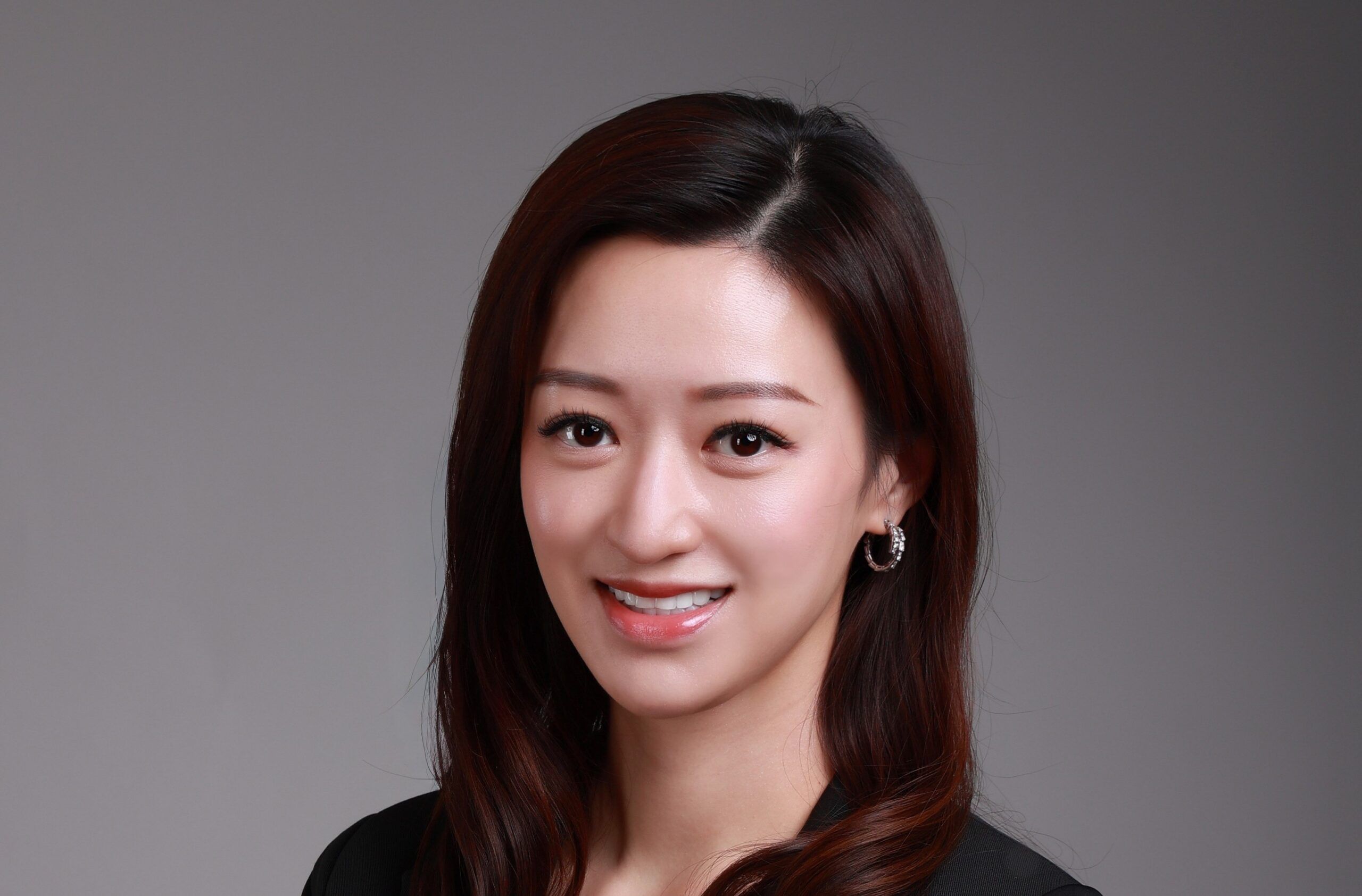
Francesca Chan joins from UBS.
Andreas Rosenthal will act as interim CEO of Prudential Singapore.