Lombard Odier’s Jack Siu backs convertibles for protection and performance
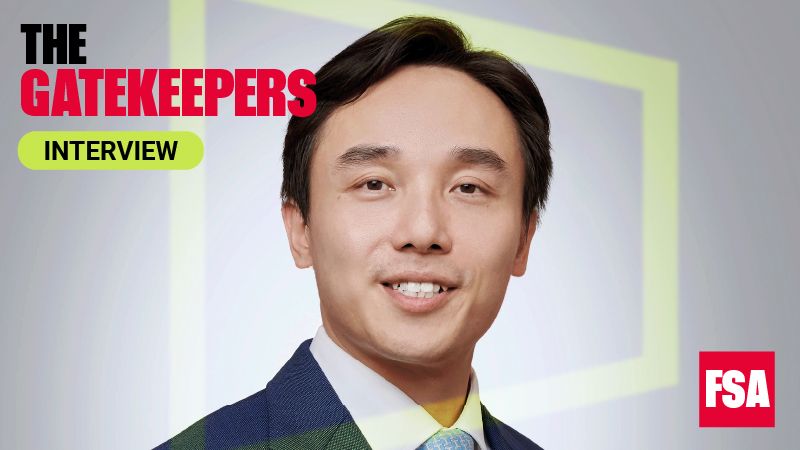
Lombard Odier’s “total wealth approach” also includes private market exposure, the firm’s head of discretionary portfolio management, Asia, Jack Siu, tells FSA.

Lombard Odier’s “total wealth approach” also includes private market exposure, the firm’s head of discretionary portfolio management, Asia, Jack Siu, tells FSA.
Lombard Odier’s “total wealth approach” also includes private market exposure, the firm’s head of discretionary portfolio management, Asia, Jack Siu, tells FSA.

Investors should prepare for more bouts of positively correlated equity and bond moves, according to Matthew Quaife, global head of multi asset investment management at Fidelity International.
Investors should prepare for more bouts of positively correlated equity and bond moves, according to Matthew Quaife, global head of multi asset investment management at Fidelity International.
Investors should prepare for more bouts of positively correlated equity and bond moves, according to Matthew Quaife, global head of multi asset investment management at Fidelity International.
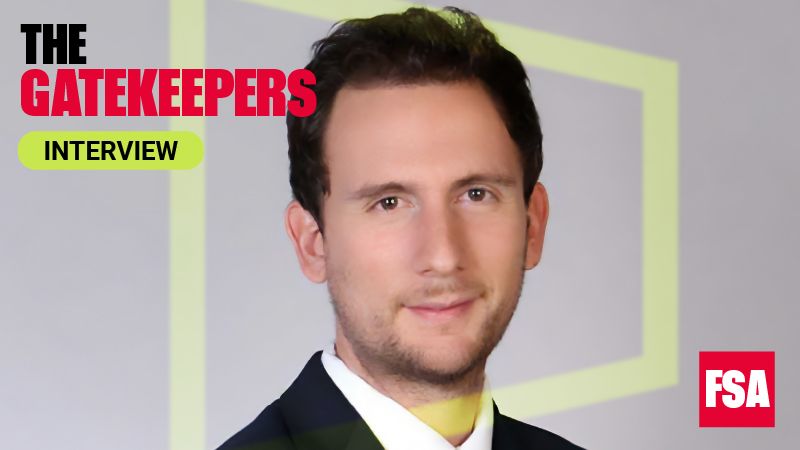
Building strong relationships with clients is crucial to providing tailored recommendations, says Adrien Lalau, head of investment funds advisory, Asia at BNP Paribas Wealth Management
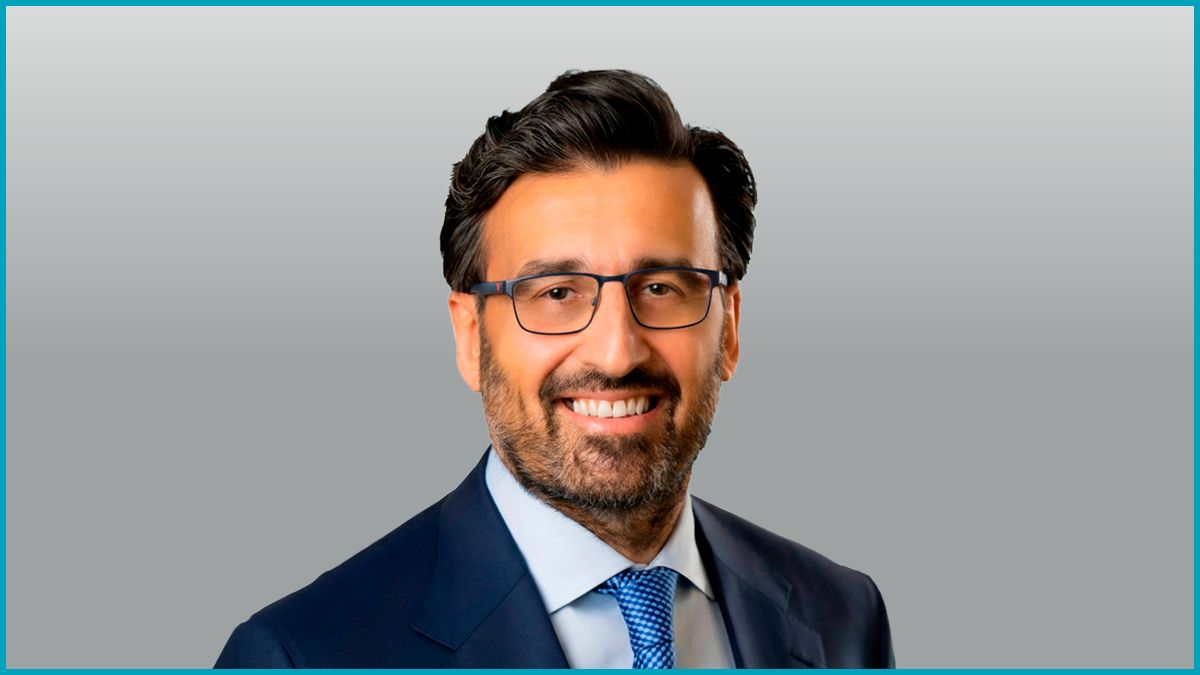
Sponsored by Loomis Sayles & Natixis
The Growth Equity Strategies Team at Loomis Sayles, an affiliate of Natixis Investment Managers, demonstrates that patience, discipline and conviction result in consistent, peer-leading risk-adjusted compounding over cycles.
Investors should prepare for more bouts of positively correlated equity and bond moves, according to Matthew Quaife, global head of multi asset investment management at Fidelity International.
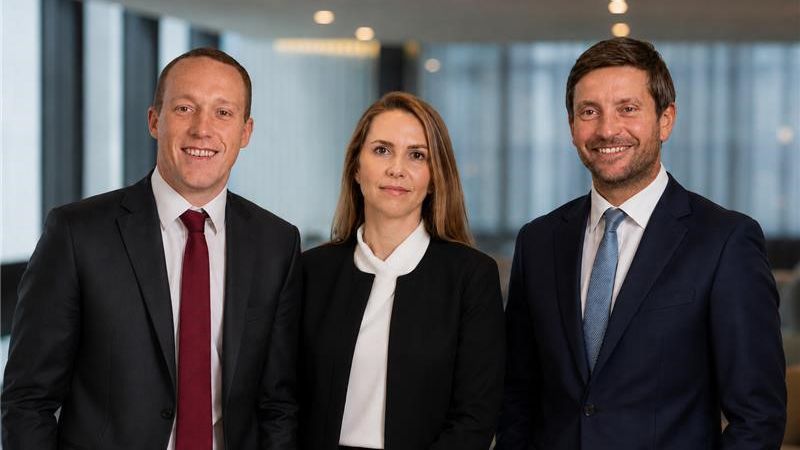
The launches reflect the evolution of fixed income from a purely defensive allocation, according to the team.
Lombard Odier’s “total wealth approach” also includes private market exposure, the firm’s head of discretionary portfolio management, Asia, Jack Siu, tells FSA.
Lombard Odier’s “total wealth approach” also includes private market exposure, the firm’s head of discretionary portfolio management, Asia, Jack Siu, tells FSA.
Investors should prepare for more bouts of positively correlated equity and bond moves, according to Matthew Quaife, global head of multi asset investment management at Fidelity International.

However, reserve managers still expect strong global equity market performance, according to the latest UBS Asset Management survey.
However, reserve managers still expect strong global equity market performance, according to the latest UBS Asset Management survey.

This week FSA compares two emerging market equity funds: the Ninety One Emerging Markets Equity fund and the Templeton Emerging Markets fund.

Portfolio resilience is now central to sovereign wealth funds’ portfolios, according to an Invesco survey.
Portfolio resilience is now central to sovereign wealth funds’ portfolios, according to an Invesco survey.
The internal promotions are across the region.
Lombard Odier’s “total wealth approach” also includes private market exposure, the firm’s head of discretionary portfolio management, Asia, Jack Siu, tells FSA.

As part of our series of exclusive gatekeeper interviews, FSA speaks with Jack Siu, head of discretionary portfolio management, Asia at Lombard Odier.
Jack is head of discretionary portfolio management, Asia at Lombard Odier. Based in Hong Kong, he is responsible for leading the Swiss private bank’s discretionary investment strategies and offering in Asia.
Jack has 19 years of investment management experience across asset classes. He was most recently managing director at Credit Suisse and its CIO Greater China, responsible for developing discretionary and advisory investment strategies across and within asset classes for both private and institutional clients. Jack was also a voting member of Credit Suisse’s Asia Pacific Investment Committee.
Jack obtained his Master of Science in Investment Management from HKUST Business School, and a Bachelor of Science (Honours) in Mathematics and Computer Science
What attracted you to the wealth management industry?
My move into wealth management was somewhat unconventional. I began my career in wholesale markets doing risk management, currency options trading and debt capital markets for five years in London. But I quickly realised it wasn’t the right fit for me—perhaps because I started during a particularly tough period for the capital markets during the global financial crisis. To broaden my perspectives, I did some personal training and began trading on my own. This hands-on experience, especially during volatile times, helped me discover a genuine passion for ethical trading and investment strategy.
One early highlight was investing in Barclays stock just before the Qatari Sovereign Wealth Fund bought a stake in the bank. That decision yielded a significant, if relatively small, profit and reinforced my interest in investment. These formative experiences convinced me that I had a knack for investing, which others also recognised as I shifted my career in that direction.
Later, I moved from London to Hong Kong to pursue a part-time master’s in investment management at Hong Kong University of Science and Technology (HKUST), which opened new doors. My first role in Hong Kong was as an investment analyst at Citi Private Bank, working under John Woods, now Asia CIO at Lombard Odier, who continues to be a valued mentor. Supporting the investment strategy business at Citi Private Wealth, I gained invaluable exposure to the entire investment process. At that time, private wealth management was still a niche compared with investment banking, but I sensed its potential.
Over the years, I further expanded my expertise, particularly in the Asian local currency bond market. That breadth of experience—from back- and middle-office to front-office, and across asset classes—has given me a better understanding of how financial institutions operate and how best to serve clients. Looking back, my journey has been shaped not only by my own efforts but also by the guidance of mentors who taught me the nuances of the industry.
What is the highlight of your career so far?
There have been several highlights, but one that stands out is my progression from a vice president investment strategist at Credit Suisse to managing director and chief investment officer for Greater China – a major achievement in a highly competitive environment. My contributions in that role, particularly my media presence and investment calls, helped build both my personal brand and the business. For example, on 6 Dec 2018, I publicly and accurately predicted the Hang Seng Index would hit 28,888 within 88 days by Chinese New Year — received significant media attention.
My current role at Lombard Odier has provided another opportunity to make an impact. In just over two years, our team has established itself as a leader in discretionary portfolio management (DPM) in Asia, earning recognition from both industry peers and major publications. The ability to take an already strong business and elevate it further has been incredibly rewarding.
What lessons have you learned from your work?
One of the most important lessons is that wealth management is not a one-size-fits-all business. Clients from different countries and backgrounds have diverse attitudes toward risk and return, shaped by their personal history and the economic context they’ve experienced. For example, Japanese investors, having endured decades of low growth and deflation, prioritise capital preservation, while Chinese clients, whose wealth creation has been more recent, typically have a higher risk appetite.
Understanding these nuances is essential. Our job is to tailor solutions that fit each client’s unique needs, whether they’re focused on wealth accumulation or capital preservation. That means not only knowing the markets but also being able to empathise with different client mindsets and generational perspectives.
Ultimately, our approach is rooted in a disciplined process—the “House View”—which combines global expertise, top-down and bottom-up analysis, and robust risk management. This structured process is the engine that allows us to deliver consistent, risk-adjusted returns for our clients, regardless of market volatility.
What strategies are you currently recommending to clients?
Currently, we are moderately pro-risk in our asset allocation. Since the end of March, we have maintained an overweight stance in equities, particularly emerging markets and technology sectors, while reducing our exposure to traditional bond-heavy portfolios. For a balanced risk profile, our typical allocation is approximately 45% equities, 30% bonds, with the remainder in alternatives such as gold and hedge funds.
We’ve favoured “convertible bonds” for their defensive characteristics while still offering equity-like returns, and this has worked well in the current environment. In equities, we have deliberately overweighted technology (especially in the US, Japan, and Korea) and emerging markets, while remaining underweight in sectors such as UK equities and consumer discretionary, given continued inflationary pressures.
We also offer long-term strategies for clients—our “total wealth approach”—that can include private-market exposure for those with intergenerational wealth-planning needs.
What keeps you awake at night?
On a personal note, my two young children do a good job of keeping me up at night! Professionally, though, I’m fortunate to be part of a strong, globally integrated team that covers all time zones, allowing us to respond to market events around the clock. This collaborative structure means I don’t have to lose sleep over the markets the way I did earlier in my career as a trader.
More broadly, I believe that having a disciplined process and clear investment philosophy is critical. If you’re trading on sentiment or uncertainty, that’s what keeps you awake at night. But when clients entrust their capital to us, they’re relying on a team with the experience and structure to manage all outcomes—so they can rest easy, too.
Lombard Odier’s “total wealth approach” also includes private market exposure, the firm’s head of discretionary portfolio management, Asia, Jack Siu, tells FSA.
Investors should prepare for more bouts of positively correlated equity and bond moves, according to Matthew Quaife, global head of multi asset investment management at Fidelity International.
Portfolio resilience is now central to sovereign wealth funds’ portfolios, according to an Invesco survey.