Lombard Odier’s Celestin: Best PE opportunities are among mid-market companies
Thierry Celestin, head of private asset client services at Lombard Odier explains to FSA the advantages of endowment-style portfolios with closed-end structures.

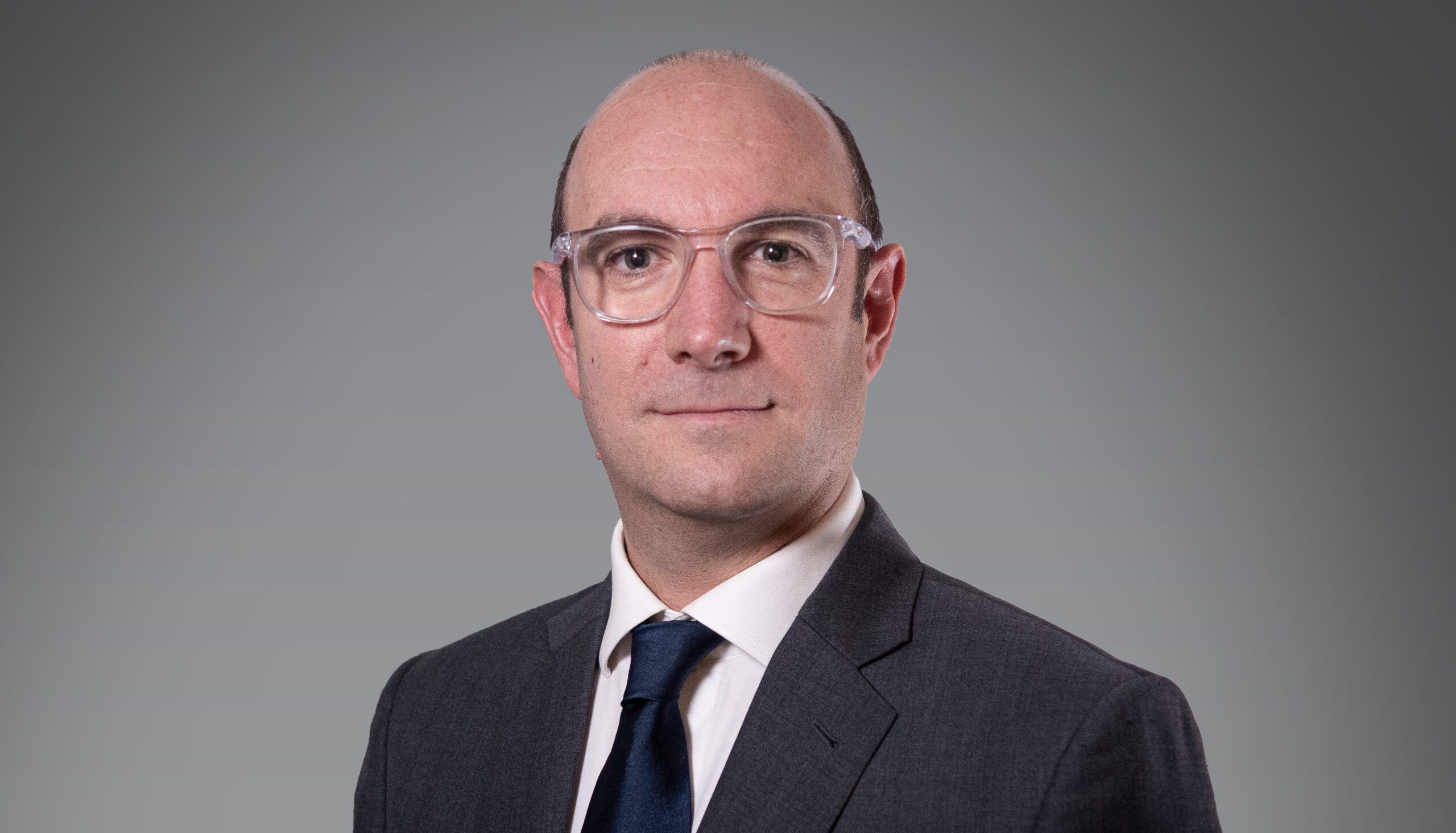
Thierry Celestin, head of private asset client services at Lombard Odier explains to FSA the advantages of endowment-style portfolios with closed-end structures.
Thierry Celestin, head of private asset client services at Lombard Odier explains to FSA the advantages of endowment-style portfolios with closed-end structures.

Clean energy stocks are recovering as AI’s demand for energy revives the sector.
Thierry Celestin, head of private asset client services at Lombard Odier explains to FSA the advantages of endowment-style portfolios with closed-end structures.
Thierry Celestin, head of private asset client services at Lombard Odier explains to FSA the advantages of endowment-style portfolios with closed-end structures.
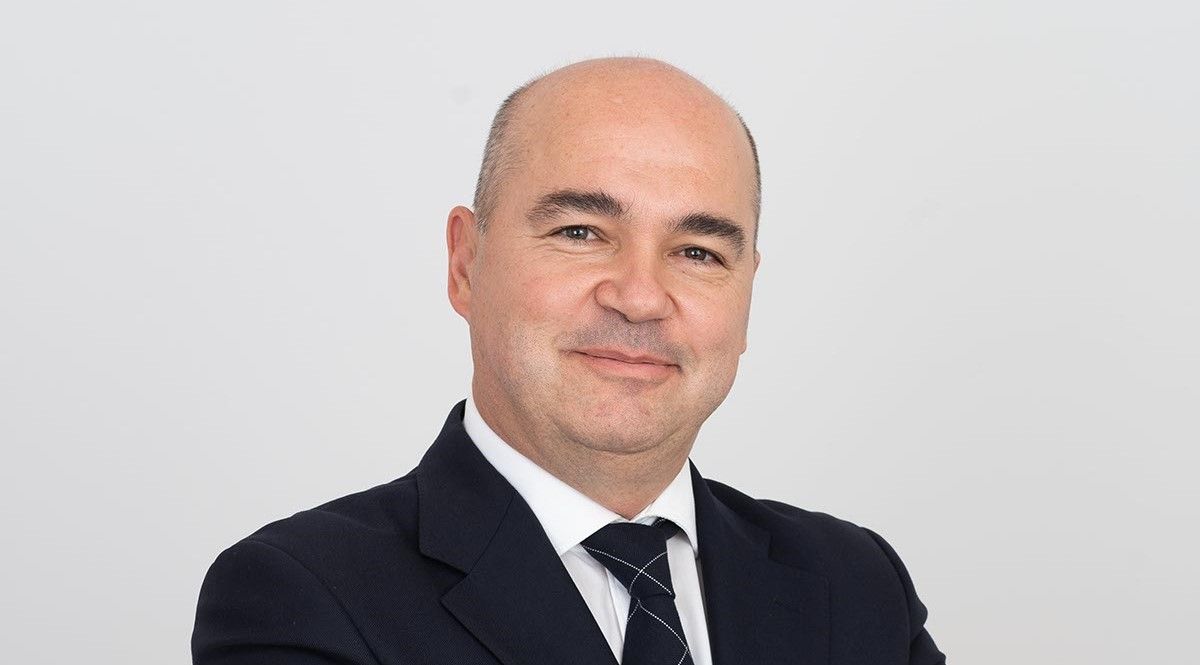
Local presence is crucial for sourcing and underwriting deals, Rafael Torres, co-head of private debt, Pan Europe at Muzinich & Co. tells FSA.
Sponsored by Loomis Sayles & Natixis
The Growth Equity Strategies Team at Loomis Sayles, an affiliate of Natixis Investment Managers, demonstrates that patience, discipline and conviction result in consistent, peer-leading risk-adjusted compounding over cycles.
Thierry Celestin, head of private asset client services at Lombard Odier explains to FSA the advantages of endowment-style portfolios with closed-end structures.
Local presence is crucial for sourcing and underwriting deals, Rafael Torres, co-head of private debt, Pan Europe at Muzinich & Co. tells FSA.
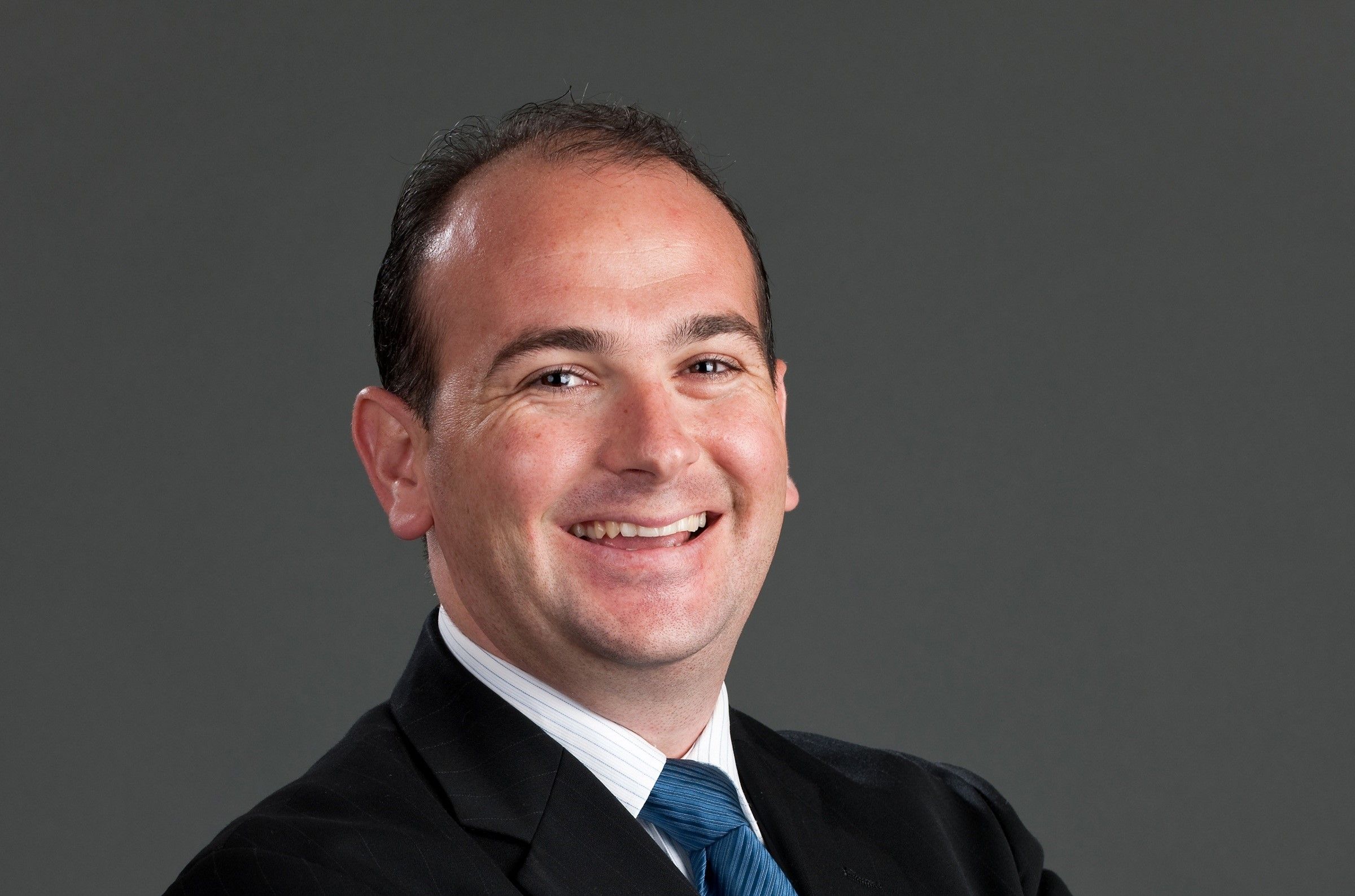
Aberdeen Investments’ head of Apac fixed income, Adam McCabe, prefers high-quality, short-duration bonds.
Aberdeen Investments’ head of Apac fixed income, Adam McCabe, prefers high-quality, short-duration bonds.
Chinese consumer savings migrating into investment products will be a huge opportunity for asset managers, according to Yimei Li, chief executive officer of China Asset Management Company.
Clean energy stocks are recovering as AI’s demand for energy revives the sector.
Clean energy stocks are recovering as AI’s demand for energy revives the sector.

This week FSA provides a quick comparison of two global fixed income funds: the Neuberger Global Flexible Credit Income fund and the PIMCO GIS Diversified Income fund.

The new office aims to strengthen family governance and intergenerational succession capabilities among next-generation family leaders.
The new office aims to strengthen family governance and intergenerational succession capabilities among next-generation family leaders.
Chinese consumer savings migrating into investment products will be a huge opportunity for asset managers, according to Yimei Li, chief executive officer of China Asset Management Company.
Thierry Celestin, head of private asset client services at Lombard Odier explains to FSA the advantages of endowment-style portfolios with closed-end structures.

Why have private markets grown so rapidly in size and popularity? How significant is demand in Asia?
It hasn’t been a short journey. Private equity has evolved over time, driven by two main factors. First, there is greater public awareness—partly because private markets have become more accessible, or “democratised”. Institutions such as ours have enabled smaller, private investors to participate, even though around 80% of capital still comes from large institutions, including pension funds, sovereign wealth funds, and insurance companies.
Second, the industry has become more professional during the past three decades and become more competitive, with managers specialising in several areas, including venture capital, growth, or buyouts.
In Asia, we’ve seen growing coverage and interest, particularly as private banks promote private markets as an alternative asset class for diversifying traditional 60/40 portfolios.
Although private equity has existed for a long time, private debt is a younger market. The turning point was the global financial crisis, after which banks – due to stricter regulations – pulled back from lending to buyouts. Private funds stepped in, often founded by former bankers, and the sector shifted from traditional banking to the fund industry.
What are the best opportunities in private markets?
Private markets offer strong historical performance and improved risk-adjusted returns. They also provide diversification, especially since public markets are increasingly concentrated. With most companies still private, and more value being created before IPO, private markets give access to real economic growth.
We take a “total wealth approach”. Our primary focus is long-term, endowment-style portfolio construction using closed-end structures. We are a buy-side firm, acting only in clients’ interests, unlike institutions that may be paid by managers.
For eligible clients, depending on their risk profile and wealth, we recommend a strategic allocation to private assets, typically 10–20%.
Our strongest conviction is in mid-market private equity buyout funds—typically those raising $500m to $3–4bn. We avoid large-caps, where it’s harder to generate alpha and funds are almost like index products.
In the mid-market, companies are cheaper, there are more ways to create value, and greater exit flexibility. The market is broad, with thousands of managers. Our value-add is finding and accessing the best of these, which often requires building relationships over time.
We also believe in strong alignment of interests. In smaller funds, managers have more skin in the game. In larger, multi-strategy firms, alignment can get diluted.
What are the greatest risks?
It’s important to distinguish between traditional closed-end funds, which are our main focus, and newer evergreen structures. The latter are being promoted aggressively by financial institutions and very large managers, partly because the individual private investor segment is the last frontier for them.
For private investors, liquidity is a key constraint. Evergreens address this by offering partial liquidity, but it’s never perfect; ultimately, they are still illiquid assets.
Indeed, evergreen structures can create unrealistic expectations about liquidity. We’ve seen stress in the market, especially in private credit evergreen funds, when sentiment turns and many investors want to redeem at once. However, this stress is often disconnected from the actual quality or default rates of the underlying portfolios, which tend to remain solid.
At Lombard Odier, we don’t offer evergreen funds; instead, we build endowment-style portfolios with closed-end structures. Limited partners (LPs) in closed-end funds can sell their positions on the secondary market, subject to the approval of general partners (GP). Pricing in the secondary market is driven by supply and demand, not strictly by net asset value. Good funds can trade at a premium, but it’s more about market appetite than book value.
How do you ensure due diligence is conducted properly and that valuations are accurate and covenants are maintained?
We take an open-architecture approach. Our job is to help clients invest with top-tier private equity, private credit, and infrastructure managers. We conduct detailed due diligence on the general partners (GPs), for example, by examining their track records and valuation policies.
Ultimately, when our clients invest in a fund, the fund manager is responsible for valuations, which are typically audited and fully disclosed. When we have our own vehicle investing in underlying funds, we conduct additional annual audits. So, there’s a double layer of scrutiny.
Regarding valuations, managers of traditional closed-end funds have a strong incentive to be realistic. Their carried interest depends on realized performance at exit. In evergreen structures, however, carried interest is often calculated annually on unrealized value, which can create incentives to be more aggressive with valuations.
How do you find and select new managers?
Our investment team is constantly traveling and meeting managers, often in less obvious locations. We don’t wait for managers to come to us. Access is often limited, and last year, most of the funds we invested in were oversubscribed. Our job is discovery, access, and portfolio construction.
Although based in Europe, we invest more with US managers—probably over 50%. The rest is about 30–40% Europe and 10–15% developed Asia. We’re not rigid about these proportions; they reflect the opportunity set and manager quality rather than a top-down allocation.
Our goal is to select the best managers each year, which amounts to around 20 funds and 10 co-investments annually. Sometimes the best opportunities are in unglamorous sectors. Ultimately, it’s about manager quality and value creation, not chasing themes.
Thierry Celestin, head of private asset client services at Lombard Odier explains to FSA the advantages of endowment-style portfolios with closed-end structures.
Clean energy stocks are recovering as AI’s demand for energy revives the sector.
Local presence is crucial for sourcing and underwriting deals, Rafael Torres, co-head of private debt, Pan Europe at Muzinich & Co. tells FSA.