Wellington partners with Citi to sell Asia tech fund
The deal provides Citi HK’s retail clients access to the Wellington Asia Technology fund.


The deal provides Citi HK’s retail clients access to the Wellington Asia Technology fund.
The deal provides Citi HK’s retail clients access to the Wellington Asia Technology fund.

In a rising yield environment, non-financial corporate hybrid bonds have proven resilient, according to Julian Marks, head of hybrid bonds at Nomura Asset Management.

The shift towards retail and semi-liquid products is also exposing operational gaps, according to the survey.
The shift towards retail and semi-liquid products is also exposing operational gaps, according to the survey.

The manager of the $1.5bn T. Rowe Price Global Value Equity fund tells FSA where he sees the next opportunity.
Sponsored by Loomis Sayles & Natixis
The Growth Equity Strategies Team at Loomis Sayles, an affiliate of Natixis Investment Managers, demonstrates that patience, discipline and conviction result in consistent, peer-leading risk-adjusted compounding over cycles.
The deal provides Citi HK’s retail clients access to the Wellington Asia Technology fund.
In a rising yield environment, non-financial corporate hybrid bonds have proven resilient, according to Julian Marks, head of hybrid bonds at Nomura Asset Management.
In a rising yield environment, non-financial corporate hybrid bonds have proven resilient, according to Julian Marks, head of hybrid bonds at Nomura Asset Management.
In a rising yield environment, non-financial corporate hybrid bonds have proven resilient, according to Julian Marks, head of hybrid bonds at Nomura Asset Management.
The manager of the $1.5bn T. Rowe Price Global Value Equity fund tells FSA where he sees the next opportunity.
This week FSA compares two global fixed income funds: the Barings Global High Yield Bond fund and the Templeton Global High Yield fund.
This week FSA compares two global fixed income funds: the Barings Global High Yield Bond fund and the Templeton Global High Yield fund.

However, fixed-income funds saw outflows as rising bond yields hurt returns.
The deal provides Citi HK’s retail clients access to the Wellington Asia Technology fund.
The deal provides Citi HK’s retail clients access to the Wellington Asia Technology fund.
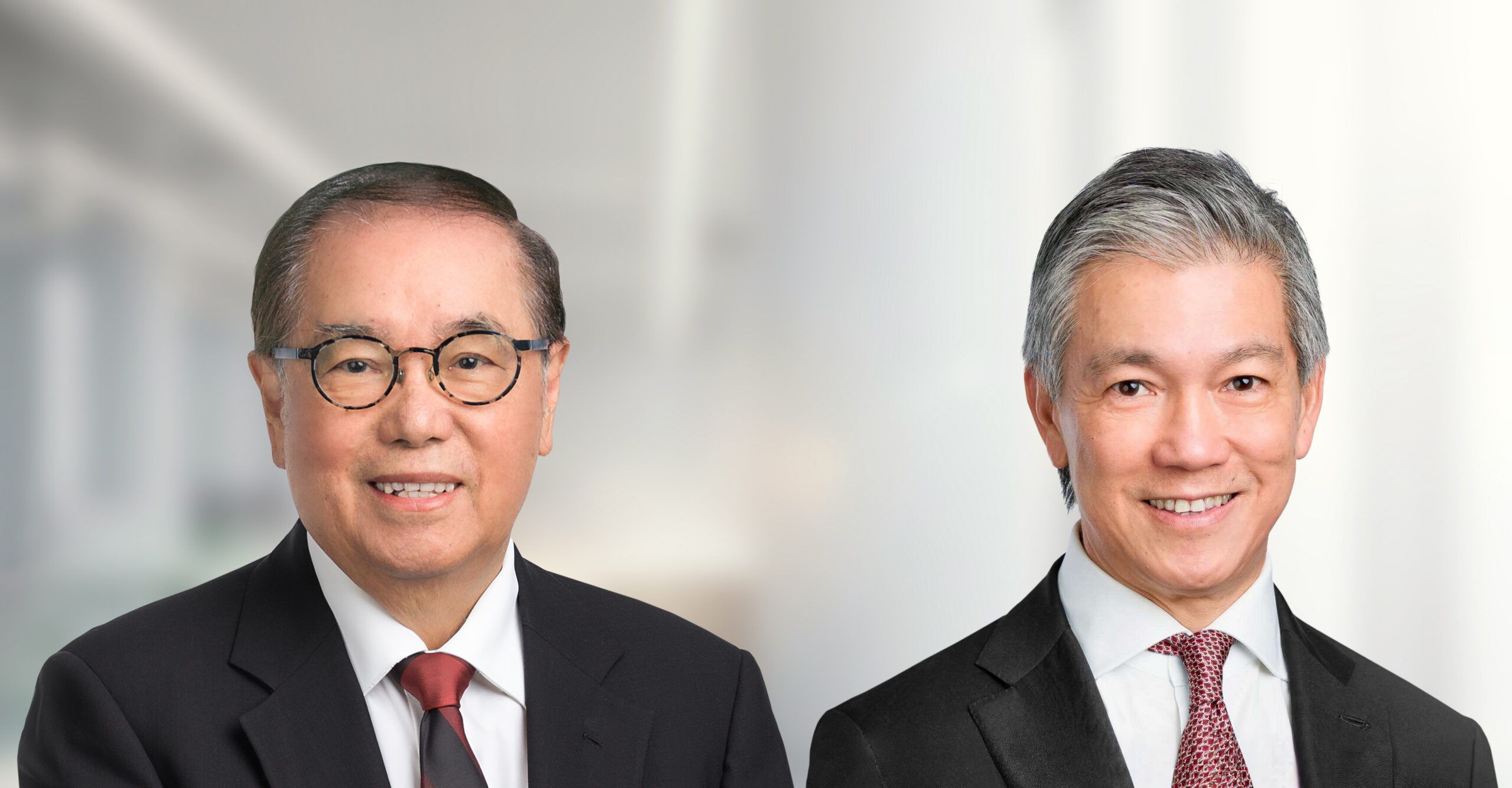
A current board member, Lim will succeed incumbent Peter Seah, who is retiring.
Across all alternative asset classes success ultimately hinges on manager selection, explains Jason Ng, alternatives specialist, Asia & Middle East, Julius Baer.
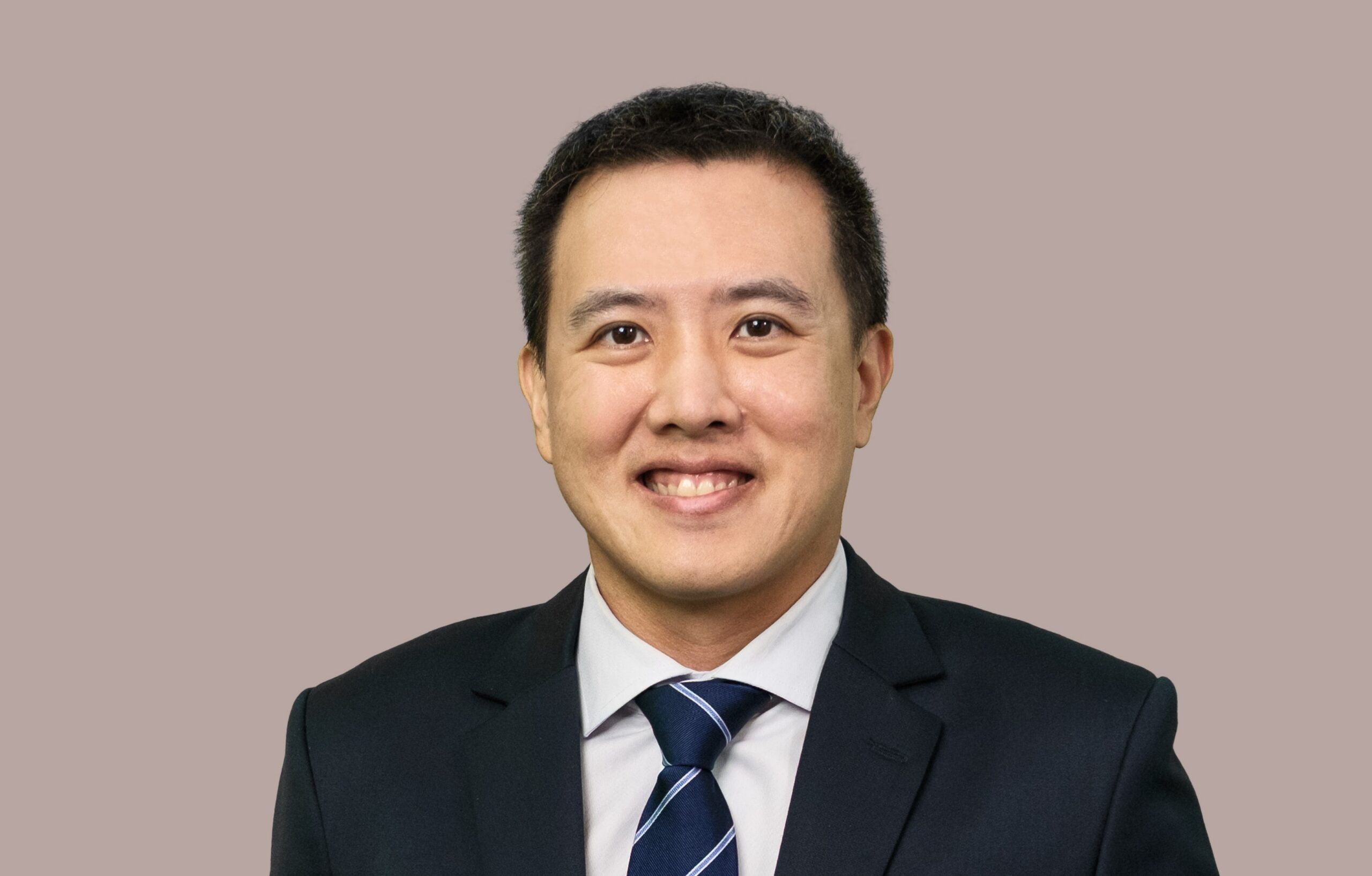

As part of a series of interviews with alternatives experts at Asian wealth managers and private banks, FSA speaks with Jason Ng, alternatives specialist, Asia & Middle East, Julius Baer.
What key trends do you see in alternatives and how are they influencing your allocation decisions?
Over the past decade, we have observed a steady increase in client allocations to alternative investments, as investors seek greater portfolio diversification, differentiated return drivers, and access to opportunities beyond public markets.
What has been particularly notable is how the composition of these allocations has evolved. Prior to 2021, private equity dominated client interest, driven by strong historical returns and the opportunity to gain exposure to long-term structural growth themes. Between 2021 and 2025, demand broadened considerably toward income-generating strategies, particularly private credit, as investors sought attractive yields and more predictable cash flows in a higher-rate environment, even as private equity retained its place as a key component of portfolios.
During the past 12 to 18 months, investors’ preferences have shifted once again. With heightened market volatility, geopolitical uncertainty, and a more challenging macroeconomic outlook, many clients are now prioritising strategies that offer portfolio resilience alongside the potential for attractive risk-adjusted returns. Consequently, we have seen growing interest in hedge funds and private infrastructure. These strategies exhibit what we describe as “defensive offence” characteristics, combining capital preservation features with the potential to deliver compelling returns across varying market conditions.
That said, we believe alternative investment allocations should be guided primarily by strategic portfolio construction rather than short-term market dynamics. It is important for us to work closely with our clients to establish well-diversified, all-weather portfolios from the outset, with hedge funds, private equity, private credit, and private real assets each fulfilling a distinct role within their strategic asset allocation. While evolving market conditions may influence smaller tactical adjustments at the margins, the core portfolio should remain firmly anchored to long-term objectives and risk tolerances.
What specific objectives would you hope to achieve with an alternatives allocation and how would you measure success?
There is no one-size-fits-all approach to alternative investments as the role alternatives play varies significantly across different investors. We believe meaningful portfolio construction must be individualised, grounded in each client’s specific objectives, risk tolerance, liquidity needs, and investment horizon.
Broadly speaking, the two most important objectives are diversification and enhancing risk-adjusted returns.
Diversification has grown increasingly valuable in recent years. With stock-bond correlations proving less reliable in more recent market environments, the traditional 60/40 portfolio has not always delivered the diversification benefits that investors expect. Meanwhile, public market indices have grown increasingly concentrated, with a significant portion of their weight now attributable to a small number of large-cap companies. In this context, alternatives can provide exposure to differentiated return drivers that are less correlated with public markets, contributing to greater portfolio resilience.
Equally important is improving risk-adjusted returns. While many investors focus on absolute returns, the risks taken to achieve those returns are often overlooked. Sustainable outcomes should be evaluated through the lens of both return and volatility. A thoughtfully diversified allocation to alternatives can help reduce overall portfolio risk while enhancing return potential over time.
Ultimately, success means navigating market drawdowns with greater stability and over time, leveraging the power of compounding to deliver better client outcomes and build lasting relationships.
Where are you most likely to allocate more to within the alternatives space in the next twelve months?
Our allocation approach is guided less by short-term market timing and more by a strategic focus on addressing gaps in client portfolios, aiming to enhance diversification, improve resilience, and support long-term objectives.
In private equity, we frequently observe concentrated exposures to large-cap buyout strategies and technology-focused investments among clients. To achieve broader diversification, we advocate increased allocations to core mid-market private equity and selected venture capital opportunities which can offer access to different return drivers and sources of innovation across the private equity spectrum.
In private credit, we maintain a constructive outlook given the asset class’s ability to deliver attractive risk-adjusted returns despite recent headlines. We believe there are opportunities beyond sponsor-backed direct lending and see increasing value in areas such as asset-based finance and opportunistic credit, which can provide additional diversification within credit portfolios.
Within real assets, we hold a particularly favourable view of core-plus infrastructure. Currently underrepresented in many private wealth portfolios, this segment offers compelling exposure to long-term structural shifts, including digitisation, energy security, deglobalisation and transportation.
Within hedge funds, we continue to favour diversified market-neutral multi-strategy managers.
Across all alternative asset classes, however, success ultimately hinges on manager selection. While strategy matters, better outcomes are often achieved by allocating to seasoned, cycle-tested managers with proven track records across different market environments
What is the most common challenge or issue you’ve encountered when doing due diligence or assessing existing alternatives allocations?
While factors such as liquidity, fees, and valuation transparency are undoubtedly important, the most prevalent challenge we observe is a fundamental one, which is the lack of a well-defined strategic asset allocation framework. All too often, portfolios are built in a product-led, bottom-up manner, where investments are added opportunistically without a clearly defined role within the overall portfolio. We believe it is important to establish a robust asset allocation framework from the outset, and to be explicit about what each allocation is intended to contribute, whether that is growth, income, diversification or downside protection. A well-structured approach fosters greater discipline and leads to more thoughtful and resilient portfolio construction over time.
A second recurring concern is position concentration. Diversification remains one of the few genuine “free lunches” in investing. Rather than searching for a single “best” fund, investors should recognise that multiple high-quality managers can coexist within the same strategy and often complement one another. This not only mitigates manager-specific risk but also enhances the stability of the overall portfolio.
Finally, we often see an imbalance between core and satellite allocations. Core holdings, which are typically more diversified and all-weather in nature, should form the foundation of a portfolio. Satellite positions may offer attractive thematic or niche opportunities, but when they become disproportionately large, they can introduce unintended concentration risks and increase overall portfolio volatility. Investors should always ensure that satellite positions are appropriately sized relative to the overall portfolio.
However, fixed-income funds saw outflows as rising bond yields hurt returns.

Asia-Pacific was particularly strong, with core growth of 13.3% led by Taiwanese tech companies and Australian miners.
The shift towards retail and semi-liquid products is also exposing operational gaps, according to the survey.