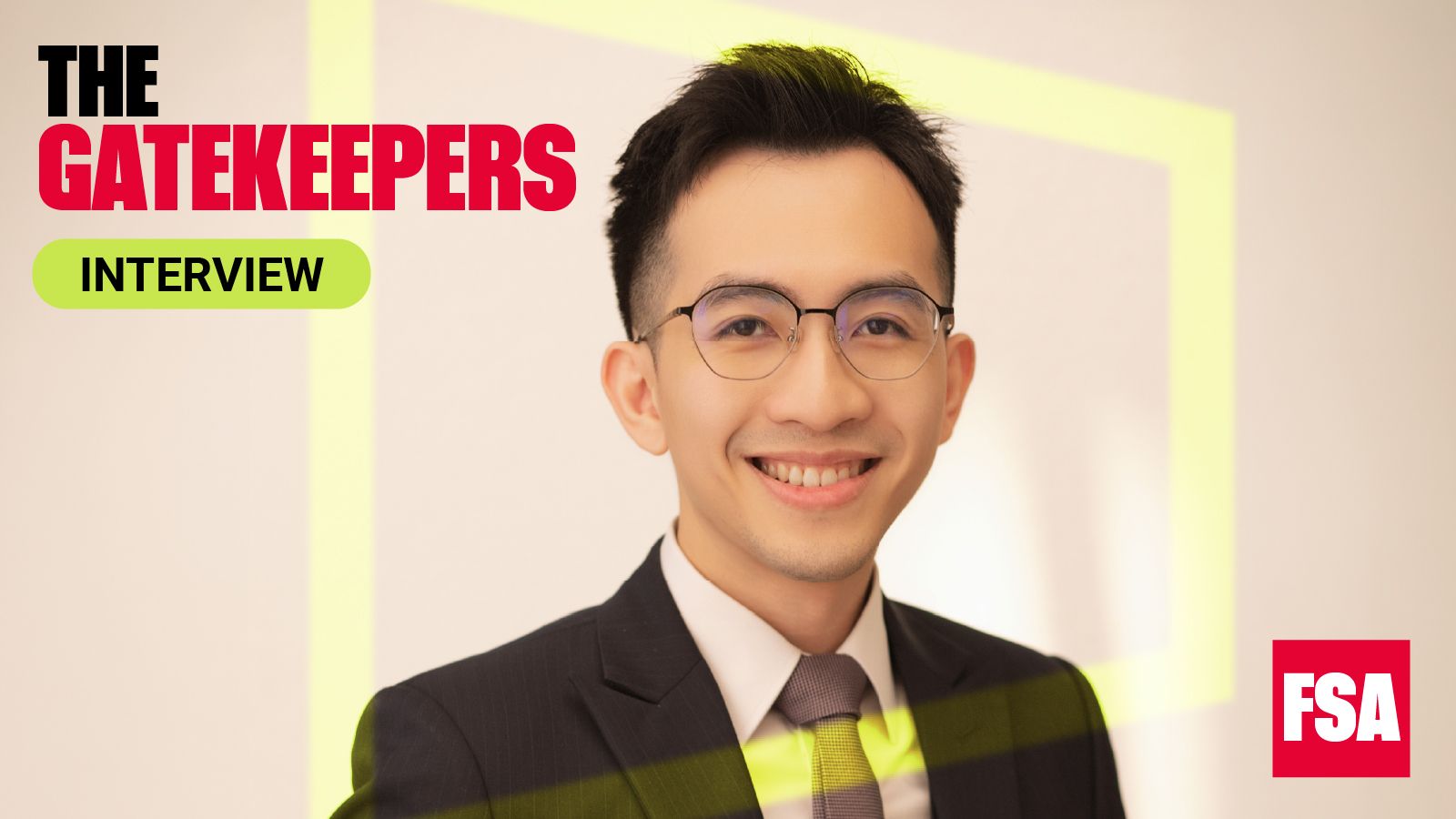
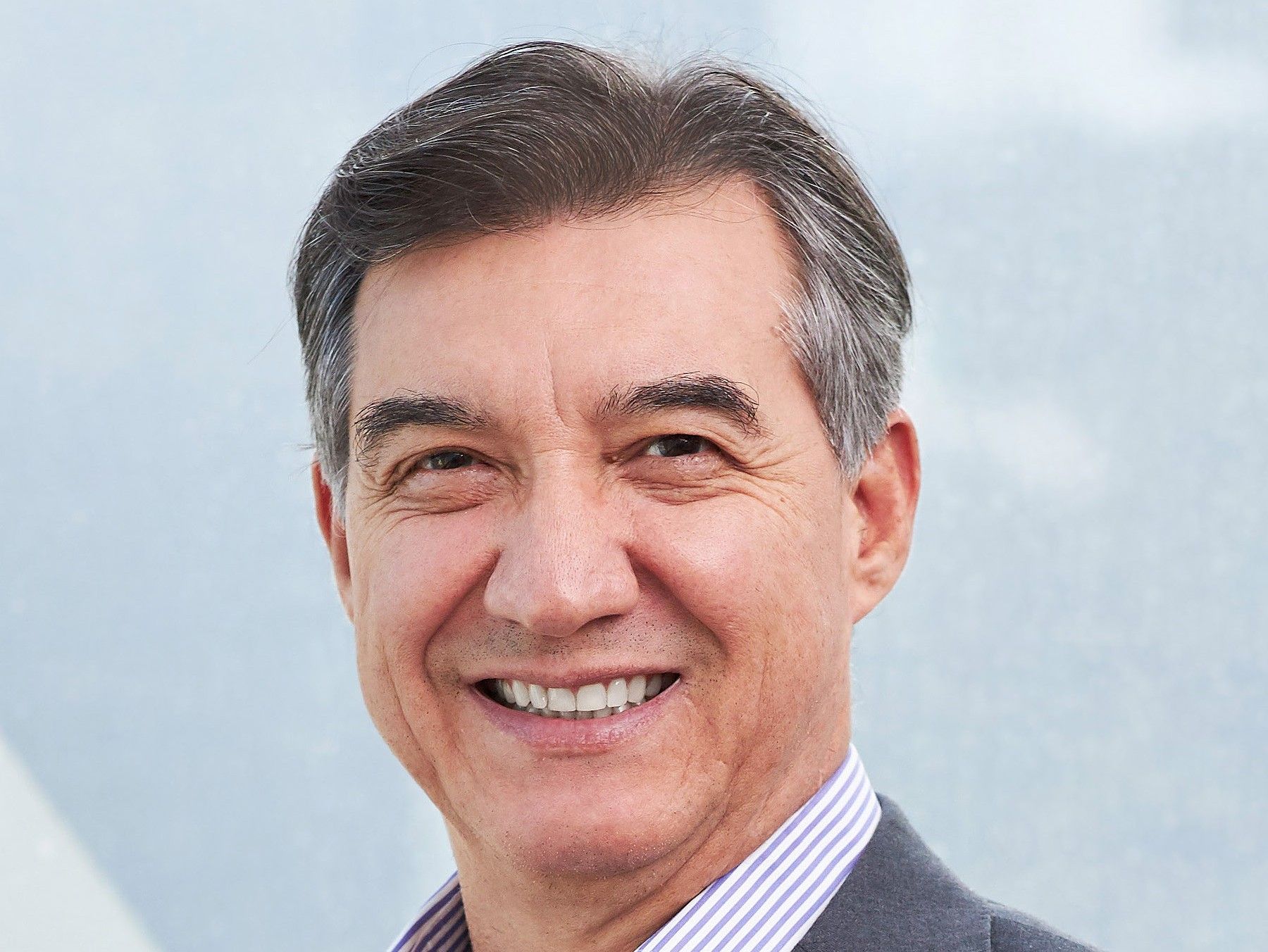
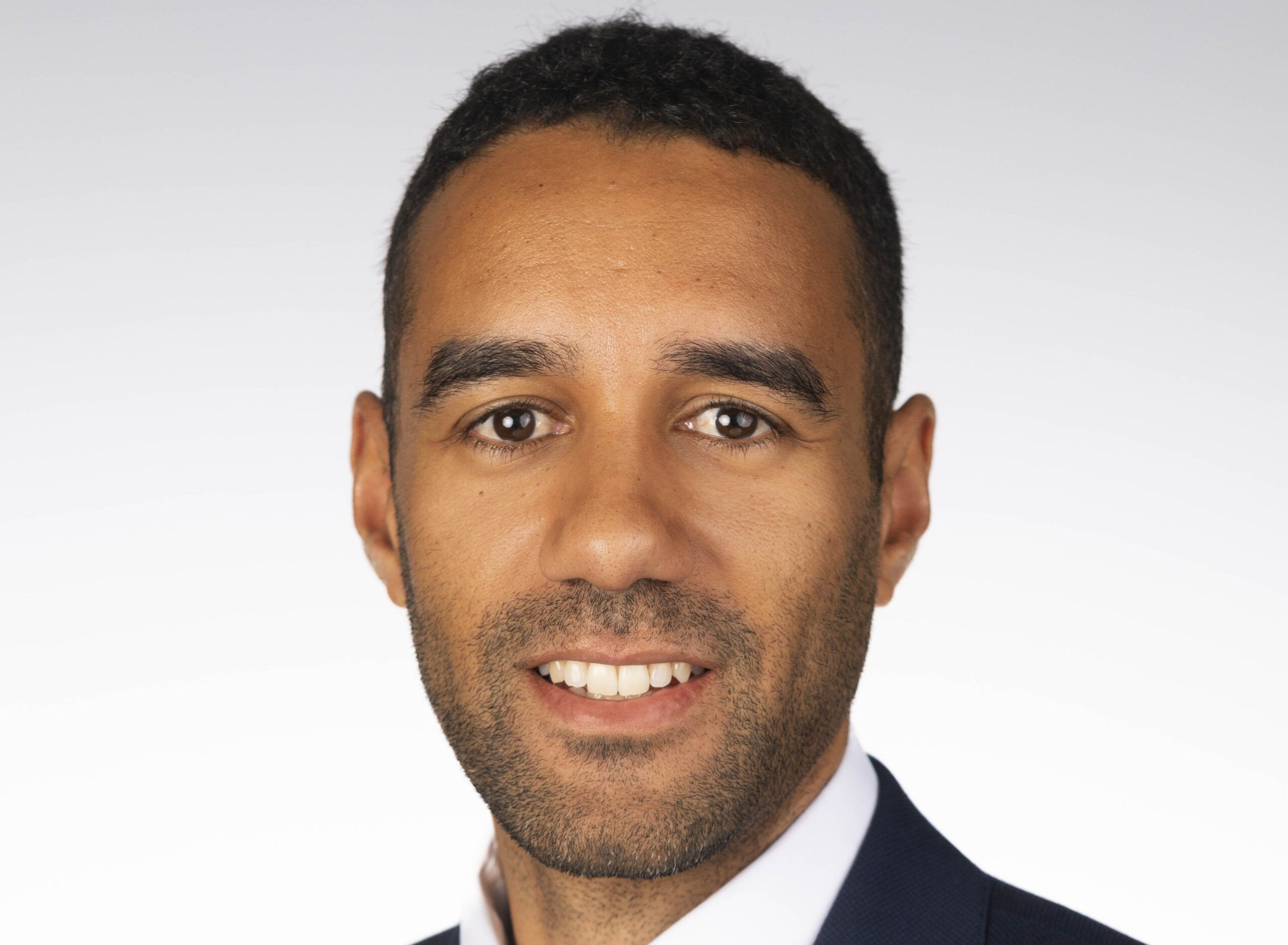
As part of our series of exclusive gatekeeper interviews, FSA speaks with Wong Kok Hong, head of wealth investment advisory, Affin Group.
Wong Kok Hong is a leader in Malaysia’s wealth management and investment advisory landscape, with over a decade of experience delivering strategic solutions to retail investors, high-net-worth clients, and corporate portfolios.
He began his career at AHAM Capital, developing strong expertise in portfolio construction before progressing to senior advisory roles at Maybank and RHB Bank, where he provided comprehensive wealth and investment guidance across diverse market cycles.
He is now the head of wealth investment advisory at Affin Bank, overseeing advisory services for high-value clients and steering investment strategies that respond to evolving market conditions.
What attracted you to the wealth management industry?
Honestly, it was never a deliberate choice. It feels more like a path that found me.
At university I told my friends and family, quite confidently, that I would never work in financial services and never work in sales. My first job after graduating was both: a sales role at an asset management company.
But I have always taken the view that if I am in a seat and being paid to do a job, I owe that job my best. That first role redirected my entire career. I had a direct superior who kept encouraging me, and bosses and colleagues who simply refused to give up on me. That gave me the confidence to commit properly. I spent roughly six months learning the fundamentals of investing by sitting with fund managers to understand markets, and with the sales team to understand clients, and have been building on that ever since.
What keeps me here is the market itself. It never stands still, and there has never been a year without volatility. That is what makes me feel alive in this role. That, and a client you have served for years turning around and saying, “good job.”
What is the highlight of your career so far?
This may not be the answer you expect, because it is not a deal or an award. My highlight is the turnaround at the very start of my career.
I failed, and I failed badly. I worked as hard as I knew how and still missed my targets. What I remember most, though, is not the failure, but the response to it. Nobody wrote me off. People stepped in, coached me and backed me. That left me determined not to let them down, so I kept going and kept climbing, measured against one simple standard: be better than the version of me from yesterday.
Back then I was afraid to fail, precisely because I did not want to disappoint the people who had invested in me. I have since come to believe that fear was the real obstacle. Being willing to fail, and being honest about why you failed, is the fastest route to learning anything. That period is why I am where I am today, and it remains the thing I am most proud of.
What lessons have you learned from your work?
Two, mainly. The first is a sequence I keep returning to: dare to fail, understand exactly why you failed, then improve from there, and do not repeat the same mistake. Failure is only expensive if you take nothing from it.
The second is that speed and good judgement are not the same thing. Early in my career I equated moving fast with being effective, and rushed decisions were consistently where I got caught out. Now, when something feels urgent, I deliberately take a step back and look at the whole picture first, and map out the options, weigh the pros and cons honestly, then decide.
In this industry the pressure to react immediately is constant, particularly when markets are moving. But a decision made an hour later with a clear head is almost always the better decision, and clients feel that difference in the quality of the advice they receive.
What strategies are you recommending to your clients?
There are three principles, and none of them are glamorous: keep an open mind to new investment ideas, understand your own risk appetite honestly, and diversify. Diversification remains the foundation of portfolio construction.
I would add a fourth, which is to review your portfolio regularly. Markets reprice faster today than most of us would have thought possible a few years ago, so the question is not only “is this a good investment?” but “is this portfolio still relevant to today’s environment, and to where I am in my life?”
The gaps I encounter most often follow a pattern. Some clients have never really established their own risk appetite. Some instinctively avoid anything unfamiliar. And many hold portfolios far more concentrated than they realise, for example, a single country or a single asset class, often simply because they like it.
Preference is perfectly reasonable in most areas of life. In investing, the outcome is either making money or not making money. As the saying goes: don’t fall in love with your stocks.
What types of funds have you onboarded recently?
Over the past year we have onboarded more covered call strategies, which are designed to generate a regular income stream for clients.
The appeal is not that anyone should put everything into a single strategy; that would contradict everything I have just said about diversification. It is that these funds introduce a different return driver into a portfolio. For clients whose priority is cash flow, whether they are managing liquidity needs or drawing an income, the potential for regular distributions can align well with their actual requirements, rather than leaving them to sell down assets at whatever price the market happens to offer that month.
As always, it comes down to suitability. Investors need to understand the trade-offs involved and these strategies typically give up some upside participation in exchange for income, and distributions are never guaranteed. But used in the right proportion, for the right client, they have been a valuable addition to our shelf.
What keeps you awake at night?
I will give an unfashionable answer: mostly excitement.
However, if I must name a specific source of it, it is policy, that is the speed at which tariffs, trade positioning and geopolitics can now reprice an entire market within days. That is the part of the job that demands you stay alert.
Plenty of people dislike volatility and I understand why. But volatility is precisely what drew me into this industry in the first place. A market that never stops changing is a market that keeps surprising you, and those surprises are where opportunity comes from, provided your clients are positioned properly and you have prepared them for the ride.
What would genuinely cost me sleep is a client caught in a market they were never positioned for. That, ultimately, is what the diversification and the regular reviews are for.